Communal area Cleaning in West Hampstead
If you manage or live in a shared building, Communal area Cleaning in West Hampstead is one of those services that quietly makes daily life easier for everyone. Clean stairwells, polished hallways, tidy entrance lobbies, and well-kept shared spaces create a better first impression, support hygiene, and help a property feel cared for. In an area like West Hampstead, where many buildings are a mix of converted flats, purpose-built apartment blocks, mansion-style properties, and mixed-use premises, shared-space cleaning needs to be practical, reliable, and suited to the building itself.
Whether you’re a resident, a landlord, a managing agent, or part of a residents’ association, it helps to have a local team that understands the pace of the neighbourhood, the different access arrangements common in the area, and the expectations people have for a tidy communal environment. From front steps and internal hallways to lift lobbies, bin stores, and shared entrance glass, the right service can make a noticeable difference every day.
Our approach is straightforward: clean the shared areas that people actually use, keep the building presentable, and work in a way that fits around occupants with minimal disruption. If you’re looking to request a free quote or arrange a regular service, this page explains what’s typically included, how the service works, and why choosing a local provider can be a smart decision.
Why communal cleaning matters in West Hampstead

Shared areas in residential and mixed-use buildings receive constant foot traffic. Dust, mud, litter, fingerprints, pet hair, and everyday marks build up quickly, especially during wet weather or busy commuting periods. In West Hampstead, that matters because many homes sit close to transport links, busy main roads, cafés, and local shops, which means people often track in more dirt than they expect.
A tidy communal space does more than improve appearance. It can support better hygiene, reduce complaints between neighbours, and help preserve internal finishes such as flooring, paintwork, bannisters, and glass doors. Regular communal area cleaning also helps building managers stay on top of standards before minor issues become bigger problems.
For residents, a clean shared area can be the difference between a building that feels looked after and one that feels neglected. For landlords and managing agents, it can support tenant satisfaction and reduce the time spent dealing with avoidable maintenance concerns. In practical terms, it is one of the most visible services you can put in place for a property.
What is included in communal area cleaning?

Every building is different, so the exact specification should match the layout, level of use, and resident expectations. A typical communal area cleaning service in West Hampstead may include a combination of regular tasks and periodic deeper attention to shared parts of the property.
Common tasks often include:
- Sweeping, vacuuming, and mopping shared floors
- Dusting skirting boards, ledges, and reachable surfaces
- Cleaning entrance doors, handles, and touch points
- Wiping bannisters, handrails, and stair edges
- Removing cobwebs and visible debris from corners and ceilings where accessible
- Cleaning internal glass, mirrors, and communal panels
- Refreshing lift lobbies and lift interiors where present
- Tidying bin stores and surrounding access areas
- Spot-cleaning marks from walls, switches, and communal fixtures
Some buildings also need additional support such as refuse area cleaning, leaf clearance at entranceways, or attention to shared hallway mats during wet weather. In older properties, especially converted houses and period flats, careful cleaning is important to avoid damaging original finishes. In newer apartment buildings, the emphasis may be on keeping high-traffic surfaces spotless and presentable.
Built around the property type, not a one-size-fits-all approach
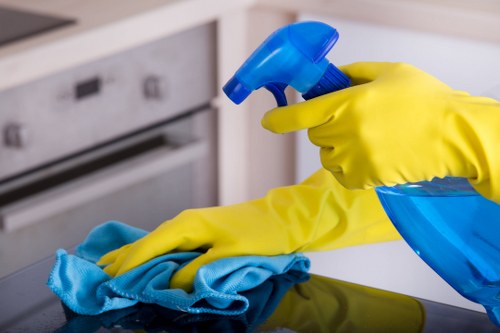
West Hampstead has a mix of property types, and that variety matters when planning cleaning. A narrow stairwell in a converted Victorian building needs a different approach from a modern block with a lift, secure entry system, and underground bin enclosure. Good cleaning should fit the building rather than forcing the building to fit the cleaning routine.
For residential customers, this often means sensible visit times, careful attention to communal touch points, and a reliable checklist so everyone knows what is being done. For commercial or mixed-use premises, there may be a need to coordinate around opening hours, access restrictions, or a higher level of visible presentation near customer entrances.
Local experience also helps with the practical details. Some buildings have limited parking, restricted stopping zones, or shared access only through coded entry points. A local team is more likely to plan around these conditions efficiently, which keeps visits smoother and reduces delays.
How the service works

The process should be simple from the start. A proper communal cleaning arrangement usually begins with a conversation about the building, followed by a site review or specification check, and then a cleaning plan tailored to the shared areas that need attention. The aim is to agree on a routine that is realistic, consistent, and easy to maintain over time.
A typical service flow may look like this:
- Initial discussion – You explain the building, the common problems, and the standard you want to achieve.
- Specification – The tasks, frequency, and access details are set out clearly.
- Start of service – Cleaning begins at agreed times with the right equipment and products for the surfaces involved.
- Ongoing visits – Regular cleaning keeps the communal area consistently presentable.
- Review and adjustment – If the building’s needs change, the schedule can often be adjusted accordingly.
This kind of structured approach is particularly useful in West Hampstead, where some blocks see heavy daily use from commuters, families, delivery traffic, and visitors. A strong cleaning plan helps keep on top of what accumulates between visits rather than simply reacting when things look messy.
Why a local company is useful
Choosing a local provider for Communal area Cleaning in West Hampstead has clear practical advantages. A local team is more likely to understand the area’s building layouts, how access commonly works, and what residents usually expect from a well-kept shared space. They may also be better placed to respond quickly when cleaning needs change, whether that is due to a move-in, a refurbishment, a seasonal increase in dirt, or a one-off incident in a communal space.
Local knowledge is helpful for more than just convenience. It can make scheduling easier, especially in streets where parking is limited or where timing matters because of resident routines. It can also help when a block is close to West Hampstead Overground, Thameslink, or the Underground stations and sees regular foot traffic coming and going throughout the day.
For many customers, the biggest benefit is confidence. You want a team that can turn up consistently, work carefully, and understand that shared living spaces need both cleanliness and respect for the people using them. Trust and reliability matter just as much as the actual cleaning tasks.
What makes a good communal cleaning provider?
When comparing options, it helps to look for a service that is clear, flexible, and realistic about what each building needs. A good provider should be willing to discuss access, surface types, cleaning frequency, and any areas that require special handling.
- Clear cleaning specifications
- Regular and consistent visits
- Attention to detail in high-touch areas
- Respect for residents, tenants, and property rules
- Experience with different property layouts and shared access systems
- Flexible support for changing building needs
These are the qualities that help a communal cleaning service feel dependable rather than disruptive. For residents, that means less hassle. For managers, it means fewer complaints and a more presentable building.
Areas and properties we commonly work with
West Hampstead is known for its mix of homes, transport links, and busy local streets, so the need for communal area care can appear in many different settings. The service is suitable for a wide range of buildings and shared spaces, including:
- Purpose-built apartment blocks
- Converted houses with shared hallways and stairwells
- Managed residential developments
- Mixed-use buildings with flats above commercial units
- Small mansion blocks and larger multi-occupancy properties
- Private estates and shared courtyards
- Buildings with lifts, lobbies, and shared bin areas
Nearby areas can also benefit from the same type of service, especially where buildings have similar layouts or daily use patterns. That may include Brondesbury, Kilburn, Finchley Road surroundings, South Hampstead, and adjacent neighbourhoods where residents want reliable upkeep for common parts of the property.
Because every building is different, the best cleaning plan is one that focuses on the actual condition and use of the shared space. Some properties need frequent light cleans to keep on top of constant traffic. Others may need deeper work less often, plus regular touch-up visits in the most visible areas.
What customers often ask for in communal spaces
When people enquire about communal area cleaning, they are often dealing with recurring issues that affect everyday comfort. Dirty bannisters, smudged glass, dusty corners, and neglected entrance mats are common complaints. In some buildings, the problem is not dramatic dirt but a constant sense that the area never feels properly finished.
Customers in West Hampstead usually want a service that addresses the most visible and frustrating issues first. That often means focusing on entrance areas, stairwells, internal windows, lift doors, and the parts of the building that create the strongest first impression. If residents walk through a space every day, they notice even small changes in cleanliness immediately.
For that reason, a good shared area cleaning service should be practical and responsive. It should help keep standards steady between visits, rather than leaving the property to deteriorate until a major clean becomes necessary.
Typical problems a regular clean can help reduce
- Dust build-up on stairs and ledges
- Marks on walls, doors, and handles
- Footprints and mud in entrance halls
- Odours from neglected bin stores or refuse areas
- Litter in communal corners or by access points
- Slippery or unattractive floors during wet weather
These are everyday issues, but they matter because they shape how people feel about the whole building.
What is usually included in a regular cleaning schedule?
A regular schedule is usually designed around how busy the building is and how quickly shared areas become marked or dirty. In some buildings, a weekly service may be enough. In others, especially where there is heavy use or multiple floors, more frequent attention may be needed.
Regular communal cleaning often includes a consistent checklist such as:
- Floors cleaned throughout communal hallways and staircases
- Handrails and touch points wiped down
- Visible marks removed from entrance areas
- Glass and internal surfaces cleaned
- Debris, dust, and litter removed
- Bin area and access points checked and tidied
Periodic deeper tasks may also be recommended, depending on the building. These can include fuller attention to neglected corners, more detailed work around entry systems, and extra cleaning after works, high footfall periods, or seasonal dirt.
Preparation checklist for residents and building managers
Preparing for communal cleaning does not need to be complicated, but a little coordination helps the service run smoothly. If you are arranging work for a block in West Hampstead, here are a few practical steps that can make a real difference.
Before the first visit
- Make sure access arrangements are clear
- Identify any restricted areas or alarmed doors
- Point out fragile surfaces, heritage features, or special floor finishes
- Share any resident concerns about timing or noise
- Confirm where cleaning materials can be stored if needed
Ongoing tips to keep shared areas easier to maintain
- Encourage residents to avoid leaving personal items in corridors
- Keep bin stores organised and accessible
- Report spills or damage promptly
- Use mats where appropriate to reduce dirt being tracked in
- Make sure building notices are updated when access rules change
Good preparation helps the cleaner focus on the job rather than access problems. It also means residents see a smoother, more professional service from the beginning.
Pricing factors: what affects the cost?
Customers often want to know what influences the cost of communal area cleaning, and that is a sensible question. Exact pricing can vary because every building has its own layout, size, and frequency requirements. Rather than using a one-size-fits-all figure, it is better to look at the main factors that shape a quote.
These typically include:
- The number of floors and communal areas
- The size of stairwells, lobbies, and entrances
- The level of foot traffic and how quickly areas become dirty
- Whether lifts, bin stores, or external shared areas are included
- How often cleaning is required
- Access requirements and site restrictions
- Any specialist surfaces that need careful handling
In practical terms, a smaller building with simple access may need a lighter specification, while a larger block with multiple entrances and high resident turnover may require a more detailed plan. A proper quote should reflect the actual work involved, not a generic template.
If you are comparing options, ask for a clear explanation of what is included so you can judge value properly. The most useful quote is one that matches the building’s needs and leaves no confusion about the scope of service.
Why regular communal cleaning is worth it
Shared spaces can deteriorate faster than individual flats because many people use them every day. That is why regular cleaning is often more effective than occasional one-off attention. A building that is cleaned consistently usually feels calmer, more orderly, and more cared for.
There are several practical benefits:
- Better presentation for residents, visitors, and prospective tenants
- Improved hygiene in high-touch and high-traffic areas
- Less wear and tear on floors, banisters, and entrances
- Reduced resident frustration around neglected shared areas
- More manageable upkeep over the long term
For landlords and managing agents, regular attention can also help with consistency across multiple properties. For residents, it means the communal part of daily life feels more comfortable and less like an afterthought.
Residential and commercial communal cleaning in West Hampstead
Although the phrase commonly brings apartment blocks to mind, communal cleaning can also be important in commercial and mixed-use properties. In West Hampstead, it is not unusual to see offices, clinics, professional premises, and retail units sharing access with residential space or upper-floor flats. In those settings, the shared parts of the property need to stay professional and tidy without disturbing either customers or occupants.
For residential blocks, the focus is often on hallways, staircases, entry doors, and bin areas. For commercial and mixed-use buildings, the scope may also include reception-style spaces, access corridors, and shared service areas that need a polished appearance throughout the day.
Because the needs are different, the service should be shaped around the building’s purpose. That is where local knowledge, practical scheduling, and a clear cleaning specification become especially valuable.
Common scheduling options
- Weekly communal cleaning
- Twice-weekly or more frequent visits for busier blocks
- Fortnightly or lighter schedules for smaller properties
- One-off deep cleaning after refurbishment or building works
- Seasonal refreshes for entrances, mats, and common corridors
The right schedule depends on how quickly dirt accumulates and how visible the shared areas are to residents and visitors.
FAQ: communal area cleaning in West Hampstead
How often should communal areas be cleaned?
That depends on the size of the building, the number of residents, and how much foot traffic the shared areas receive. Busy blocks may need more frequent visits, while smaller properties can sometimes be maintained effectively on a lighter schedule.
Can the cleaning be tailored to our building?
Yes. A good service should be adapted to the property layout, the surfaces involved, and any access issues. Buildings in West Hampstead often have different requirements, so a tailored specification is usually the best option.
Do you clean bin stores and external shared areas?
These areas are often included if requested and if access allows it. Bin stores, entrance steps, and immediate external shared spaces can make a big difference to the overall appearance of a property.
What if the building has limited access or no parking?
That is common in this part of London, and it can usually be planned around. A local team should be able to factor in access restrictions, resident entry systems, and practical parking limitations before the service begins.
Can communal cleaning be arranged alongside other services?
Yes, many customers prefer to coordinate communal cleaning with other upkeep tasks such as periodic deep cleans, waste-area attention, or building refreshes. It can be more efficient to manage shared maintenance together.
Is this service suitable for leasehold and managed blocks?
Absolutely. Communal area cleaning is often arranged for leasehold buildings, managed residential developments, and properties overseen by landlords or managing agents. The key is to agree a clear scope and a practical visit pattern.
Choosing the right cleaning partner
When you are deciding who to use, look beyond the label and think about how the service will actually work in your building. You want a team that communicates clearly, respects shared spaces, and understands that many buildings in West Hampstead are lived in by busy people who notice the details.
Reliability matters because communal cleaning is about consistency. Attention to detail matters because small missed areas become visible very quickly in a shared property. And local understanding matters because access, parking, and building style all affect how smoothly the work is carried out.
If you are ready to improve the condition of your shared spaces, now is a good time to book your service now or request a free quote. A well-planned cleaning arrangement can make a real difference to how your building looks and feels every week.
For property owners, managers, and residents looking for dependable communal area cleaning that suits the realities of West Hampstead living, the next step is simple: get in touch, share the building details, and arrange a plan that fits your shared space.
Contact us today to discuss your communal cleaning requirements and set up a service that keeps your building presentable, hygienic, and easier to manage.